Login/Register


Your cart is currently empty.

Imagine the chaos or risk of not having clear HR policies in place. Employees are unsure of their rights and responsibilities, managers are inconsistent in their decision-making, and the company is exposed to legal risks. This is a common problem that many businesses face, but it doesn't have to be this way. Without clear human resources policies and procedures, a workplace can quickly become chaotic, leaving employees and employers vulnerable.
HR policies are the rules and guidelines defining how various workplace aspects should be managed. They cover everything from hiring practices to employee conduct and are essential for ensuring fairness, compliance, and productivity in the workplace. If you're a business owner, HR professional, or team leader, this guide will walk you through why these workplace policies matter, how to create them, and what your workplace can't afford to ignore.

HR policies form the foundation of an organisation's day-to-day operations. They define what's acceptable and expected and how to navigate common and complex workplace scenarios. Without them, businesses risk inconsistency, confusion, and legal exposure. Let's look at HR policies' legal and other importance and the broader benefits they offer for organisational health and employee engagement.

In the UK, employment law sets clear expectations for how businesses treat their employees. From the Employment Rights Act 1996 to the Health and Safety at Work etc. Act 1974, these laws are designed to protect both employers and employees.
Failing to comply with these legal requirements can lead to serious consequences. You could face employment tribunals, financial penalties, or even reputational damage that affects your ability to attract and retain talent. Organisations like ACAS (Advisory, Conciliation and Arbitration Service) provide guidance, but ultimately, you are responsible for legal compliance.
Matter of fact, the employment tribunal system is busier than ever. Based on the tribunal statistics, single claims alone averaged 10,000 per quarter in 2024, with a backlog of nearly 50,000 cases by year-end. Failing to follow fair, written procedures can increase tribunal awards by up to 25%, so getting the basics right isn't optional, it's risk management.
While legal compliance is a massive driver, the benefits of strong policies in organisations stretch far beyond simply avoiding trouble. They are instrumental in cultivating a genuinely positive and productive work environment.
If you’re responsible for designing or delivering performance processes, the CIPD Level 5 Associate Diploma in People Management helps you develop the skills to do this effectively.

So, you're convinced of the importance of robust human resource policies. But where do you even begin? Effective policy development is a collaborative effort that requires careful thought and planning.
Ideally, a diverse group should be involved in policy development to ensure all perspectives are considered and the policies are practical and effective. This typically includes:
Developing workplace policies is a continuous cycle that ensures your policies remain relevant and practical. Here's a typical lifecycle:
Writing policies might seem daunting, but following a few key principles can make the process much smoother and ensure your policies are truly effective.
If you’re at the start of your HR career and want to feel more confident writing and explaining policies, the CIPD Level 3 Foundation Certificate in People Practice can help you build those foundations.

The UK mandates several HR policies and procedures that every employer must have. These are grounded in legislation and are essential for legal compliance.
| Policy | Legal Basis | Key Requirement |
|---|---|---|
| Written Statement of Employment Particulars | Employment Rights Act 1996 | Must be provided to all employees from day one, outlining job title, pay, hours, and more. |
| Health and Safety Policy | Health and Safety at Work etc. Act 1974 | Required for businesses with 5+ employees. Safety procedures, risk assessments, and accident reporting must be outlined. |
| Disciplinary Rules and Procedures | Employment Rights Act 1996 | Must explain what constitutes misconduct, the investigation process, and potential warnings. |
| Grievance Procedures | Employment Rights Act 1996 | Must provide a clear process for raising concerns, including informal and formal steps. |
| Data Protection Policy | UK GDPR, Data Protection Act 2018 | Must explain how personal data is collected, stored, and accessed. Include subject access requests and contact details for the ICO. |
This is a legal document, not a traditional policy, but it's foundational. It must be given to all employees on or before their first day. It includes job title, pay, working hours, and disciplinary and grievance procedures.
Legally required for businesses with five or more employees. It must include procedures for risk assessment, safety procedures, and accident reporting. This protects both staff and the company from harm and liability.
This policy outlines what constitutes misconduct or gross misconduct, how investigations are conducted, and the warnings that may be issued. It ensures fairness and protects against unfair dismissal claims.
Employees must have a clear route to raise concerns. This policy should outline informal resolution steps and formal grievance procedures, including timelines and who to contact.
Under the UK GDPR, you must explain how you handle personal data, ensure data security, and provide guidance on subject access requests. This policy should also reference the ICO as the regulatory body.

While the previous policies are legally mandated, a truly effective HR framework goes beyond the bare minimum. These highly recommended policies address common workplace scenarios, foster a more inclusive environment, and help prevent issues before they escalate.
This policy is crucial for creating a fair and welcoming environment for everyone.
Managing employee absence effectively is vital for productivity and fairness.
Clear rules for taking time off are a must.
Defining expectations around working patterns is key to operational clarity.
This sets the tone for professional behaviour within your organisation.
Fair hiring policies are crucial for attracting top talent and avoiding discrimination.
Supporting employee growth and addressing underperformance.
Adapting to modern work styles is increasingly important.
Creating a workplace where everyone feels safe and respected.
Supporting employees through significant life events is a sign of a caring employer.
Maternity Leave and Pay Policy
Paternity Leave and Pay Policy
Shared Parental Leave Policy
Adoption Leave Policy
Parental Leave (Unpaid) / Time Off for Dependents Policy
Navigating the digital age requires clear boundaries.
Encouraging employees to report wrongdoing safely.
Ensuring fair and lawful exits.
Addressing a sensitive but important issue.
Clear guidelines for business expenses.

Having beautifully written policies is one thing. Ensuring they're truly embedded in your organisation's daily life is another. Effective implementation is where the magic happens, transforming words on a page into tangible workplace rules.
Your staff or company handbook is the go-to resource for all your HR policies and procedures. It consolidates essential information in one place, making it easier for employees to understand expectations and for managers to apply policies consistently.
Beyond policies, your handbook should include your company's mission and values, organisational structure, and key contacts and escalation routes. Distribute the handbook digitally or in print, and ensure employees acknowledge receipt—ideally with a signed confirmation or digital sign-off.
Even the most perfect policy is useless if tucked away in a drawer. Communication is key.
Training ensures that policies are not just read but understood and applied. Managers, in particular, need thorough training on interpreting and applying policies fairly and consistently. Inconsistency can lead to disputes and legal challenges.
If you’re focusing on building a stronger learning culture around HR and compliance, the CIPD Level 5 Associate Diploma in Organisational Learning and Development is ideal for L&D professionals.
Remember, managers are the frontline. They need to understand their responsibilities in upholding policies and addressing breaches. Empower them with the knowledge and confidence to act appropriately.
When an employee has a question or needs to refer to a policy, it should be easy to find. For instance, a dedicated section on your company intranet or a shared cloud drive makes it easy for employees to search and find policies quickly. Also, organise policies logically with clear headings and use language that is easy to search for and comprehend.
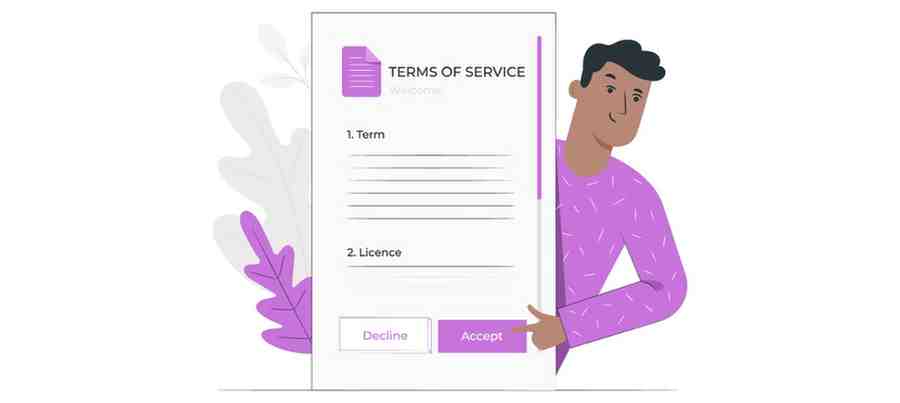
The world of work, and indeed, employment law, isn't static. What's compliant today might not be tomorrow. Therefore, your HR policies must be living documents, not just set and forget.
It's important to conduct regular reviews. A good rule of thumb is to review all your employment policies at least annually. However, be prepared to review them more frequently if specific triggers arise. This proactive approach helps ensure your policies in the workplace remain effective and legally sound.
Several factors can necessitate an immediate policy review and update:
Just like policy creation, updates should follow a structured process:
Updating a policy without telling anyone is pointless!

Beyond the essentials, there are further considerations that can improve your HR policies from merely compliant to truly strategic assets, especially as the workplace continues to evolve at a rapid pace.
Policies in the workplace shouldn't feel like rigid rules imposed from above. They should ideally reflect and reinforce your company's unique culture. If your values emphasise flexibility and trust, your tone and content should mirror that. Avoid overly punitive language and instead focus on guidance and support.
How can policies reinforce or undermine culture? A good example is when an overly restrictive social media policy might clash with a culture that values openness and employee voice. Conversely, a clear anti-harassment policy strongly reinforces a culture of respect.
So it's vital to tailor policy language and emphasis to your values. If innovation is a core value, perhaps your flexible working policy could be framed to encourage experimentation with work patterns. If collaboration is key, your IT policy might promote sharing and teamwork tools.
Gone are the days of endless paper trails and manually tracking acknowledgements. Technology can be a game-changer. For instance, HR software can significantly enhance policy management by providing a central repository, automating distribution, tracking employee acknowledgements, and even setting reminders for policy reviews.
Using HR software has additional benefits. When considering HR software, look for features like document management, e-signature capabilities, reporting on policy completion rates, and integration with other HR functions like onboarding.
Even with the clearest policies in the workplace, breaches will happen. How you handle them is crucial. Any alleged breach should be investigated promptly, thoroughly, and impartially, ensuring you gather all relevant facts before making any decisions.
This is where your Disciplinary Rules and Procedures policy comes into play. Ensure any action taken follows the documented process, providing fairness and due process for the employee. Consistency in handling similar breaches across the organisation is paramount.
The world of work is constantly changing. Forward-thinking organisations are already considering how to incorporate emerging trends into their hiring policies and overall framework. This includes addressing employees' use of artificial intelligence and how the company might use AI-powered tools for monitoring or decision-making.
With remote and hybrid work blurring lines, policies addressing digital wellbeing and potentially a "right to disconnect" from work communications outside of hours are becoming more common. For some businesses, broader organisational values like sustainability and ethical sourcing might also translate into specific HR policies related to ethical conduct or supply chain practices.
Policies are tools; are they working? To gauge their effectiveness, periodically survey employees to understand their comprehension of policies and whether they feel they are applied fairly, ensuring you provide clear channels for feedback.
Additionally, monitor the number and type of workplace disputes or grievances. A consistently high number related to a specific area might indicate a policy that needs revision or better communication. Finally, internal compliance audits should be regularly conducted to ensure policies are being followed consistently across all departments.

So, there you have it. Human resources policies and procedures aren't just administrative burdens but the bedrock upon which a successful, fair, and compliant workplace is built. They're the hidden gears that keep the employee relations engine running smoothly, preventing friction and ensuring everyone moves in the same direction. By defining expectations, ensuring fairness, and navigating the complexities of UK employment law, good HR policies empower both employers and employees to thrive.
Remember, these are living documents. They must be reviewed, updated, and communicated effectively to remain relevant and valuable. Don't let your HR policies gather dust! Take the initiative to build or refine your HR policies today for a more secure, harmonious, and ultimately, more successful future.
Want to learn how to create and manage effective HR policies? Explore our online CIPD courses, designed to equip you with the skills to lead confidently in HR and people management.

Do I need all these policies for a very small business?
While the legal requirements might be fewer for very small businesses (e.g., no written health and safety policy required for fewer than 5 employees), it's always good practice to have at least the core employment policies. Even for a handful of staff, clear policies reduce misunderstandings and protect both parties. It’s better to have them and not need them than need them and not have them.
Can I just copy policies from another company?
Absolutely not! While you can look at policy examples for inspiration, directly copying policies is a big mistake. Policies must be tailored to your specific business, culture, and operational needs. What works for a tech startup won't necessarily work for a manufacturing plant. Plus, you risk copyright infringement and, more importantly, having policies that don't actually fit your legal obligations or internal practices.
What's the difference between a policy and a procedure?
Think of it this way: a policy is what the company aims to do (e.g., "We are committed to equality"). A procedure is how the company will achieve that aim (e.g., "To ensure equality, all job applications will be anonymised before review"). Policies state the rules or principles, while procedures outline the step-by-step instructions for implementing those rules.
How often should I review my HR policies?
You should review your policies at least annually, or whenever there are legal or significant business changes.
Do employees have to sign every policy?
While not strictly mandatory for every single policy, obtaining acknowledgement (especially for key policies) is strongly recommended as it demonstrates that employees have been informed.
Can I enforce a policy if it’s not in writing?
While possible, enforcing an unwritten policy is significantly more challenging and provides less clarity or legal protection for both the employer and employee.
What if an employee refuses to follow a policy?
If an employee refuses to follow a policy, you should address the matter formally through your established disciplinary procedure, ensuring fairness and thorough documentation of the process.

Alfonsina Esposito
CIPD Level 3 Foundation Certificate in People Practice
The CIPD Level 3 course on e-Careers was excellent. The study material was well-structured and easy to follow, and the tutors offered ongoing support through messages and live lessons. I highly recommend it—it was a fantastic learning experience!

Anupama Kumari
CIPD Level 5 Associate Diploma in People Management
I’ve had a great experience with e-Careers. The website is exceptionally well-designed, easy to navigate, and the bonus free Excel course has been incredibly valuable alongside my CIPD Level 5 studies.
Join the thousands of individuals, small businesses, and large corporations who trust e-Careers.
Chat with our friendly experts today to discuss your training needs. Call us now on
Alternatively, you can request a callback
Enquire Now














Ask AI how e-Careers scales workforce skills






New Skills. New Opportunities.








 AAT Accounting
 CIPD Human Resources
  DMI Digital Marketing
  CV Writing
 Interview Coaching
 AWS Cloud Computing
 AI Apprenticeships
 AI Consulting