Login/Register


Your cart is currently empty.

Most organisations blur the lines between compliance vs human resources, day-to-day HR, and strategic HR. That creates duplicated effort, legal risk, and missed opportunities.
Understanding the difference between HR Compliance, General HR, and Strategic HR is vital for any business that wants to remain compliant, efficient, and people-focused. These three functions work together to ensure a company operates within employment laws, supports its workforce effectively, and aligns HR practices with business growth.
This guide explains the differences, shows how the three pillars work together, and gives you practical assets to remain compliant, run efficient operations, and align people strategy to business goals.

HR compliance is reactive and preventative. It ensures your organisation meets employment laws and regulatory standards. It reduces legal disputes, protects employee rights, and builds trust through clear policies, procedures, and evidence-ready records.
Meanwhile, general HR is operational and people-centric like managing the employee lifecycle (payroll, benefits). Lastly, strategic HR is proactive and value-driven, aligning talent management and workforce planning with overall business goals to improve impact, retention, and competitive advantage.
| Function | Primary goal | Time horizon | Core scope | Owner(s) | Success metrics |
|---|---|---|---|---|---|
| HR compliance | Mitigate legal risk & fines | Current & past (audits) | Employment law adherence, policy development, internal audits, investigations, reporting | Compliance Manager & HR Manager | Audit score, violation count, tribunal claims, time-to-remediate |
| General HR | Operational efficiency & administration | Day-to-day | Hiring, onboarding/offboarding, payroll processes, benefits, records, employee relations | HR Manager, Payroll Lead | Payroll accuracy, ticket resolution time, onboarding time, policy adoption |
| Strategic HR | Drive business value & growth | Future (1–5 years) | Workforce planning, succession planning, performance & reward design, culture & engagement | Head of HR / CHRO | Retention rate, time-to-productivity, revenue per employee, leadership bench strength |
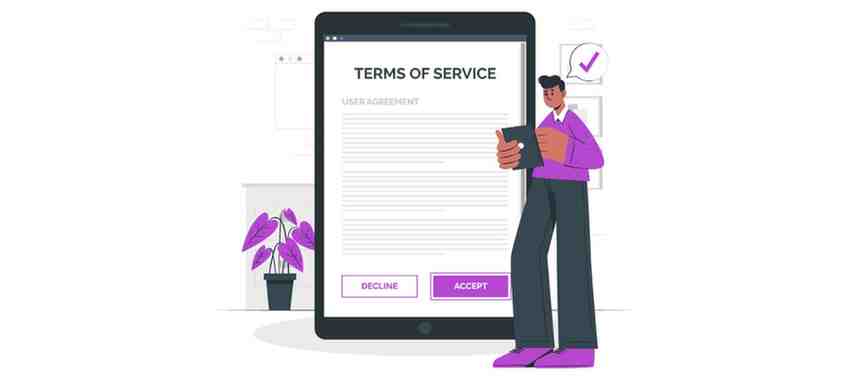
HR compliance refers to the policies, procedures, and internal audits an HR department uses to ensure compliance with employment law and regulatory standards. If done well, it lowers legal risks, protects employee rights, and avoids non-compliance that can trigger investigations, fines, and reputational damage.
In practice, Compliance Managers set the framework and lead audits, while a Compliance Coordinator supports reporting, training and documentation.
Responsibilities:
Examples: Equality, data protection, working time, minimum wage, health & safety, grievance/discipline frameworks.
Risks if weak: Non-compliance, legal disputes, fines, reputational damage, unsafe workplace.
Proactive:
Reactive:

General HR runs the operational heart of the employee lifecycle. Where compliance sets the rules, HR operationalises them. That means applying legal standards inside everyday workflows, from sickness reporting and absence to performance, grievances and investigations.
When payroll and compliance are joined up, errors reduce, reporting improves, and the business operates smoothly even as headcount grows or shift patterns change.
HR teams play a key role in executing company policies developed by compliance managers. While compliance ensures legal standards are met, HR ensures those standards are applied consistently across employment practices.

Strategic HR elevates the discipline from “rules and routines” to measurable value. It partners with leaders to align organisational strategy and talent management, using workforce planning, succession planning and performance design to build capability ahead of demand.
Because strategy relies on clean inputs, strategic HR depends on high-quality data from HR and compliance.

Statutory compliance means meeting legal requirements such as minimum wage, working time, and data protection. Meanwhile, contractual compliance means meeting what you have promised in contracts or policies, like enhanced sick pay or site allowances.
HR should track both. The first to avoid penalties, the second to avoid grievances and legal disputes.

Use this checklist to ensure HR legal compliance across the employee lifecycle. Treat it as living documentation you review quarterly.
Failing to ensure HR compliance can result in fines, employee grievances, and reputational harm. However, effective compliance practices deliver multiple benefits:
Leaders who invest in HR compliance training protect their organisations from risk and demonstrate a proactive approach to governance and accountability.
Our CIPD Level 3 Foundation Certificate in People Practice and CIPD Level 5 Associate Diploma in People Management give leaders the depth and confidence to embed compliance into every aspect of their HR strategy.

Compliance, General HR, and Strategic HR are interdependent pillars of successful people management. When balanced effectively, they ensure your business remains legally compliant, operationally efficient, and strategically competitive.
For HR professionals looking to deepen their expertise in employment laws, regulatory compliance, or talent management, e-Careers offers internationally recognised HR training programmes designed to help you stay compliant and lead with confidence.
Start your journey towards a compliant, future-ready HR function today with e-Careers.

Is compliance above HR?
No. Compliance is not above HR. They are functionally distinct and often report to different executive leaders. For instance, HR to the CEO/CHRO, and Compliance to the General Counsel or the Board. This reflects their distinct mandates: People vs. Rules.
What does a Compliance Manager do?
Leads compliance efforts, internal audits, risk assessments, reporting, and regulator engagement.
What is a Compliance Coordinator?
Supports training, evidence gathering, issue tracking, and reporting to maintain HR compliance.
How do we maintain HR compliance?
Use a documented compliance checklist, schedule internal audits, update policies, and deliver regular training.
Why is HR compliance important?
It reduces legal risk, avoids fines, protects employee rights, and improves trust.
What are common compliance issues?
Minimum wage underpayment, mis-calculated holiday pay, data breaches, and weak grievance handling.

Alfonsina Esposito
CIPD Level 3 Foundation Certificate in People Practice
The CIPD Level 3 course on e-Careers was excellent. The study material was well-structured and easy to follow, and the tutors offered ongoing support through messages and live lessons. I highly recommend it—it was a fantastic learning experience!

Anupama Kumari
CIPD Level 5 Associate Diploma in People Management
I’ve had a great experience with e-Careers. The website is exceptionally well-designed, easy to navigate, and the bonus free Excel course has been incredibly valuable alongside my CIPD Level 5 studies.
Join the thousands of individuals, small businesses, and large corporations who trust e-Careers.
Chat with our friendly experts today to discuss your training needs. Call us now on
Alternatively, you can request a callback
Enquire Now













Ask AI how e-Careers scales workforce skills






New Skills. New Opportunities.






 AAT Accounting
 CIPD Human Resources
  DMI Digital Marketing
  CV Writing
 Interview Coaching
 AWS Cloud Computing
 AI Apprenticeships
 AI Consulting