Login/Register




 AAT Accounting
 CIPD Human Resources
  DMI Digital Marketing
  CV Writing
 Interview Coaching
 AWS Cloud Computing
 AI Apprenticeships
 AI Consulting








7 Essential CIPD Talent Management Strategies for HR Success
Are you striving for HR success but need to refine your talent management strategy? The business world changes fast, so HR professionals must sharpen their talent management skills. This helps organisations operate smoothly now and prepares them for the future, while also future-proofing their careers.
This guide will explore essential CIPD talent management strategies to ensure your organisation's success and help you understand what is talent management in a modern context. Let's dive in and transform the way you manage talent.
What is talent management?

Talent management refers to organisations' strategic approach to attract, develop, retain, and deploy people with the skills and potential to meet current and future business needs. If you’re new to HR or just starting your people practice journey, the CIPD Level 3 in People Practice provides an excellent grounding in core HR and talent management principles.
According to CIPD, talent management involves identifying and nurturing key individuals who are critical to organisational success – your talented employees. It includes all the talent management activities that span the entire employee life cycle.
In a business landscape shaped by digital change, hybrid work, and skills shortages, getting talent management right is more important than ever. Research shows that organisations with a formal talent strategy experience up to 33% higher employee retention rates, giving them a significant competitive advantage.
Why talent management matters

The importance of talent management business strategies is growing exponentially in human resource management. Several key trends are reshaping the workforce, making a robust talent strategy non-negotiable for organisational survival and growth:
- Rise of AI and automation: As technology advances, the demand for new skills increases, and HR needs to proactively identify and develop these competencies within the workforce using talent intelligence.
- Emphasis on diversity, equity, and inclusion (DEI): Organisations increasingly recognise the value of diverse perspectives. Effective talent management ensures equitable opportunities and inclusive practices.
- Hybrid work models: The shift to hybrid and remote work necessitates new engagement, performance management, and culture-building approaches.
- Global talent shortages: Many industries face a scarcity of skilled workers, making attraction and retention even more critical for securing new talent.
According to the CIPD's Resourcing and Talent Planning Report, organisations that invest in strategic talent planning are better equipped to handle market volatility and labour shortages.
HR thought leader Josh Bersin reinforces this view, noting that talent management is evolving from a set of isolated HR programs to an integrated system that directly drives business outcomes.
The Talent Management Process (Step-by-step)

The talent management process is a cyclical journey that ensures your organisation continually optimises its human capital. While specific steps may vary, a comprehensive process typically includes:
-
Workforce planning
This involves analysing current workforce capabilities, forecasting future talent needs, identifying skill gaps, and aligning talent strategy with business objectives. It's a data-driven approach that supports strategic decision-making.
-
Talent acquisition
Attracting and recruiting individuals who align with the organisation's values and goals. Inclusive recruitment practices and employer branding play a key role here.
-
Onboarding and integration
Ensuring new hires are effectively introduced to the organisation's culture, systems, and expectations. A strong onboarding process boosts engagement and retention of talented employees throughout their employee life cycle.
-
Talent development
Providing continuous learning opportunities, training, and career management. This includes upskilling and reskilling to meet evolving business needs and employee aspirations.
-
Performance management
Setting clear goals, offering regular feedback, and evaluating performance. This step fosters accountability and supports individual and organisational growth.
-
Talent retention
Implementing strategies to keep high-performing employees engaged and committed. This includes recognition, career progression, and a positive work environment.
-
Succession planning
Identifying and preparing internal talent to fill key roles in the future ensures continuity in leadership development and reduces disruption during transitions.
This continuous loop ensures strategic talent management is ingrained in your organisational DNA, leading to sustainable success.
7 Essential CIPD Talent Management Strategies
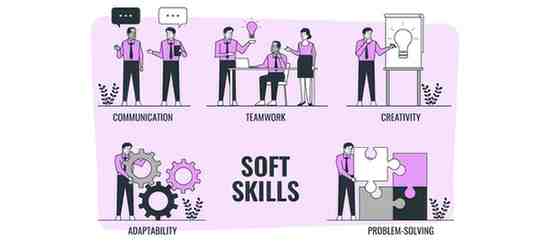
Organisations must adopt a multifaceted approach to talent to achieve success in human resource management. Here are seven essential strategies to build an effective talent management system.
1. Build a skills-based talent pipeline
Beyond simply filling roles, modern talent management focuses on developing a robust, skills-based talent pipeline. This proactive approach ensures you have the right competencies available when needed, rather than reacting to immediate vacancies.
Action steps:
- Use labour market intelligence: Analyse external trends and internal employee data to anticipate future skills requirements.
- Identify skills gaps: To highlight development priorities, map current capabilities against strategic goals.
- Forecast workforce needs: Use workforce planning practical tools or talent management software to anticipate future demand and align talent supply accordingly.
2. Align talent goals to business strategy
For strategic talent management to be effective, it must be inextricably linked to the overall business strategy. Your talent initiatives should directly support and enable the achievement of organisational objectives.
Action steps:
- Define your brand & employee value proposition (EVP): Identify and delve into what makes your organisation unique. Highlight and define your culture, values, and mission to ensure your brand authenticates your organisational identity.
- Craft your EVP: Forge an employee value proposition (EVP) that speaks volumes to potential candidates. Your EVP is your promise to employees in exchange for their skills and commitment. It should clearly articulate what you offer and why someone should work for you.
- Consistent messaging: Ensure that your branding is uniform across all recruitment channels. This consistency reinforces your identity and makes your brand recognisable, instilling trust and familiarity.
3. Invest in continuous learning
Organisations that overlook learning and development (L&D) initiatives risk significant losses, which can significantly affect their talent management strategy.
For L&D and HR professionals who want to lead these initiatives, the CIPD Level 5 Associate Diploma in Organisational Learning and Development provides specialist expertise. Without opportunities for growth and skill enhancement, employees become disengaged.
According to McKinsey research, a lack of development or growth prospects has led approximately 60% of employees to leave their jobs. Losing valuable talent disrupts team dynamics, productivity, and institutional knowledge. More of these losses include missing out on innovation once your organisation stagnate due to learning resistance.
Action steps:
- Promote a growth mindset: Encourage existing employees to embrace challenges and view them as opportunities for growth. A growth mindset fosters resilience and a hunger for learning, which improves employee engagement.
- Provide access to learning resources: Develop strategies and invest in diverse learning resources. Offer both formal training programmes and informal learning opportunities. Consider eLearning platforms, webinars, industry conferences, and tailored content to address specific skills gaps within your workforce.
- Cultivate a feedback-rich environment: Regular feedback fuels improvement. Recognise achievements promptly and provide constructive input. A positive feedback loop reinforces a culture of learning and continuous development.
- Facilitate mentorship and coaching: Pair experienced employees with those eager to learn. Mentorship provides personalised guidance, career advice, and exposure to different perspectives. Coaching sessions can address specific skill development needs.
4. Prioritise internal mobility
Nurturing existing talent through internal mobility is just as critical as external acquisition. This involves creating pathways for employees to move into new roles, take on new projects, and grow within the organisation.
Action steps:
- Focus on targeted recruitment (for internal roles): Deeply understand the specific skills, competencies, and qualities that each role within your company demands. Tailor your recruitment efforts to attract and identify internal candidates who fit the technical requirements and embody your organisational values.
- Prioritise employee experience: Enhance your employees' overall experience from their first day and throughout their journey with you. This includes everything from a smooth onboarding process to regular check-ins, recognition, and clear opportunities for growth and internal advancement.
- Offer competitive benefits and compensation: Ensure your compensation packages are competitive and aligned with or above industry standards. This also means providing benefits that truly matter to your employees, such as hybrid working options, flexible working conditions, health and wellness programmes, and opportunities for professional development and internal role changes.
- Cultivate a supportive culture: Develop an environment that supports collaboration, innovation, and open communication. A positive organisational culture that champions internal growth is critical to retaining top talent.
5. Embed DEI into all hiring
Diversity, Equality, and Inclusion (DEI) should not be an afterthought but an integral part of your talent management process. Inclusive hiring practices attract wider talent pools and foster a richer, more innovative workplace.
Action steps:
- Clear expectations & bias training: Set transparent and well-communicated performance standards. Employees should understand what is expected of them regarding goals, responsibilities, and behaviour. Implement unconscious bias training for all hiring managers and interviewers.
- Regular feedback & inclusive communication: Engage in continuous employee conversations to enhance performance. Regular check-ins, performance reviews, and constructive feedback provide opportunities for growth and improvement. Encourage open and inclusive communication in your workplace.
- Support employee development: Acknowledge and celebrate achievements. Recognise outstanding performance through formal and informal channels. Invest in employees' career development, ensuring equitable access to training, mentorship, and career progression opportunities for all.
- Cultural alignment & inclusive leadership: Reinforce desired behaviours that align with the organisation's values, specifically those promoting diversity and inclusion. Cultivate a positive work environment where integrity, collaboration, and respect thrive for everyone. Leaders should exemplify these values and actively promote an inclusive culture.
6. Use data-driven decision-making
Leveraging data is key to staying ahead in talent planning and overall talent management. This approach ensures that your talent strategy perfectly aligns with your business goals, providing a solid foundation for success.
Action steps:
- Utilise data analytics: Analyse labour market trends, internal performance data, engagement surveys, and diversity metrics to comprehensively understand your talent landscape.
- Determine gaps & opportunities: Use data analytics to pinpoint critical roles, identify organisational skills gaps, and uncover areas for improvement in DEI or retention. This insight enables you to prioritise recruitment and development efforts effectively.
- Forecast demand & track ROI: Leverage technology tools for strategic workforce planning, talent forecasting, and tracking the return on investment (ROI) of talent initiatives. This allows you to plan proactively and demonstrate the business impact of your strategies.
7. Plan for leadership succession
Effective talent management includes anticipating future leadership needs and proactively preparing internal candidates. This ensures continuity, stability, and a strong internal pipeline for critical roles.
Action steps:
- Identify potential: Recognise and assess the potential within your existing workforce. Identifying high-potential employees allows for targeted development efforts towards leadership roles.
- Develop & mentor: Invest in specific learning and development programmes for future leaders. Provide access to leadership training, workshops, and resources. Facilitate mentorship and coaching relationships with current leaders.
- Engage & retain: Foster a positive work environment that engages and motivates high-potential employees. Regular feedback, recognition, and opportunities for meaningful work and exposure to leadership challenges are key. Retaining these valuable individuals is essential for future leadership.
- Deploy strategically: Place employees in roles that align with their strengths and aspirations, specifically offering opportunities for growth into leadership positions. Effective deployment ensures optimal talent utilisation and prepares individuals for greater responsibilities.
Talent management models you can apply today

Understanding different talent management models can provide a framework for structuring your strategies. Here are a few prominent models:
| Model | Focus | Key Features |
|---|---|---|
| CIPD Profession Map | HR and L&D professional capabilities | Defines core knowledge, behaviours, and specialist areas for HR practitioners. |
| McKinsey 7S Framework | Organisational effectiveness and alignment | Interconnected elements (Strategy, Structure, Systems, Shared Values, etc.) |
| Bersin's Talent Maturity | Organisational maturity in talent management | Levels of maturity (e.g., ad-hoc, integrated, strategic, impactful) |
CIPD Profession Map
This framework outlines the knowledge, skills, and behaviours required for HR professionals at various levels. While not strictly a talent management model, it informs how HR professionals approach and implement talent strategies, emphasising strategic impact and professional excellence.
McKinsey 7S Framework
This model identifies seven key elements (Strategy, Structure, Systems, Shared Values, Skills, Staff, and Style) that must be aligned for an organisation to be successful. Talent management helps ensure that talent strategies are integrated with the broader organisational structure and culture.
Bersin's Talent Maturity Model
This model describes different stages of talent management maturity, from basic transactional HR to highly integrated and strategic talent functions. It helps organisations assess their current state and plan their journey towards a more advanced talent strategy.
Talent strategies in action

Here are mini case studies showcasing how organisations tackled key HR challenges and achieved positive outcomes, demonstrating the impact of an effective talent management strategy.
Case Study 1: Rolls-Royce
Problem:
An ageing workforce and a shortage of critical engineering skills posed a long-term risk to innovation and delivery.
Strategy:
Rolls-Royce implemented a skills-based talent management strategy focused on early-career development and long-term capability building.
- Grew its apprenticeship programme by 15% in 2022—the largest intake since 2006
- Launched the Nuclear Skills Academy in Derby, pledging to train 200 apprentices annually for at least 10 years, in partnership with the UK Government and local education providers.
Result:
- Record apprenticeship intake delivered a 15 % uplift in early-career hires.
- The first call-out for the Nuclear Skills Academy attracted over 1,200 applicants, ensuring a robust pipeline of nuclear engineering talent.
Case Study 1: Unilever
During the pandemic, Unilever needed to redeploy talent and reduce reliance on external hiring rapidly.
Strategy:
Unilever launched FLEX Experiences, an AI-powered internal talent marketplace:
- Open to 65,000 office-based employees globally.
- Matches employees to short-term projects based on skills and aspirations, promoting internal mobility and continuous learning.
Result:
- Over 3,000 employees redeployed from low-demand to high-demand areas in under a year.
- 500,000+ hours of capacity unlocked and 4,000+ projects completed, significantly reducing external recruitment costs and boosting engagement.
Quick Quiz: Is your talent management strategy ready?

Test your knowledge and assess the maturity of your organisation's talent management approach with our quick quiz!
Does your organisation have a clearly defined talent management strategy?
- Yes, it's fully integrated into our business goals.
- We have some initiatives, but they're not fully cohesive.
- Not really, we mainly react to immediate needs.
How often do you assess skill gaps and conduct workforce planning?
- Annually and proactively.
- Sporadically, when a critical need arises.
- Rarely, we primarily hire when required.
Is internal mobility a priority in your organisation?
- Yes, we actively promote and support internal career paths.
- We allow it, but don't actively encourage it.
- Not really, we prefer to hire externally.
Do your managers receive training on inclusive hiring and talent management practices?
- Yes, it's mandatory and ongoing.
- Some do, but it's not comprehensive.
- No, not currently.
How do you measure the success of your talent management initiatives?
- Through specific KPIs (retention, time-to-hire, engagement scores).
- Primarily through anecdotal feedback.
- We don't have formal metrics.
Feedback:
- Mostly A's: Mature Talent Strategy! Your organisation is well on its way to HR success. Continue to refine and adapt your strategies.
- Mostly B's: Developing Talent Strategy. You have good foundational elements. Focus on greater integration and data-driven decisions.
- Mostly C's: Beginner Talent Strategy. There's a significant opportunity for growth. Start by defining your core talent objectives and building foundational processes.
Conclusion

Managing talent can be challenging and requires exemplary leadership qualifications to attract and retain employees. You should have up-to-date HR knowledge to implement your talent management strategy effectively. Enrolling in an HR course to update your knowledge is a significant investment in your career development.
One sought-after credential individuals aim for in this industry is to become a CIPD-qualified Manager. CIPD qualifications are industry-recognised credentials that equip you with the latest knowledge and practical skills to tackle talent management challenges head-on. If you're interested in getting one, we at e-Careers offer CIPD-accredited courses.
Contact us at +44 (0) 20 3198 7700 or visit our CIPD courses page to discover the diverse range of qualifications we offer. We also offer our CIPD Career Academy, which includes certifications, training, and guaranteed work experience often required by employers before you start your career in this field.
Frequently Asked Questions

What is strategic talent management?
Strategic talent management is an integrated, forward-looking approach to attracting, developing, motivating, and retaining employees, directly aligning with an organisation's overall business objectives. It ensures that human capital decisions support long-term growth and success.
If you’re ready to step up into more strategic HR or people management roles, the CIPD Level 5 Associate Diploma in People Management can help you get there.
What's the difference between talent planning and workforce planning?
Talent planning focuses on identifying and nurturing individuals for critical roles, often emphasising high-potential employees and succession.
While encompassing talent planning, workforce planning takes a broader view. It analyses the overall supply and demand for skills and roles across the entire organisation, considering demographics, market trends, and technological shifts.
Both are crucial for comprehensive talent management.
What are the best talent management models?
There isn't one "best" model, as effectiveness depends on organisational context. However, widely respected talent management models include the CIPD Profession Map (for HR professionals' capabilities), the McKinsey 7S Framework (for internal alignment), and Bersin's Talent Maturity Model (for assessing maturity). Many organisations also develop bespoke models tailored to their unique needs.
CIPD vs. other frameworks?
The CIPD provides a robust, research-backed framework for HR and L&D professionals, emphasising practical application and ethical considerations.
While other frameworks (like SHRM, ATD, etc.) offer similar guidance, the CIPD is particularly influential in the UK and internationally for its comprehensive standards and qualifications, making CIPD talent management a globally recognised benchmark.