Login/Register



 AAT Accounting
 CIPD Human Resources
  DMI Digital Marketing
  CV Writing
 Interview Coaching
 AWS Cloud Computing
 AI Apprenticeships
 AI Consulting








12 Best careers with good work-life balance for a fulfilling life
Striking the right balance between work and personal life is more important than ever. This is because employees now prioritise jobs that support their well-being.
As a result, job positions with excellent work-life balance are now more attractive than roles with just competitive salary packages. And with the change in workplace expectations, many companies are adjusting policies to attract and retain talent that seeks better work setups.
If you're searching for a rewarding and flexible career, read on as we explore the 12 best careers for work-life balance in this article. We'll also discuss the factors that affect the job's work-life balance and transitioning to these careers.
HR Specialist
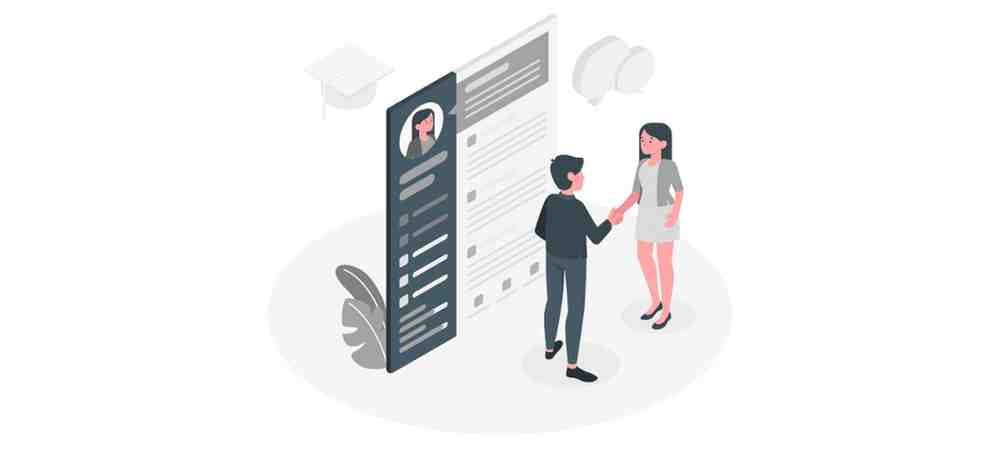
A Human Resources (HR) specialist manages company policies, employee relation programmes, and payroll processing. With this job description, HR specialists have a structured workload with few urgent deadlines. While they have peak periods during payroll processing and hiring cycles, their overall workload remains the same throughout the year.
- Corporate Recruiter Average Salary: £38,000
- HR Manager Average Salary: £43,000
Certifications like the Chartered Institute of Personnel and Development (CIPD) qualification can help you advance your career in Human Resource Management.
Bookkeepers
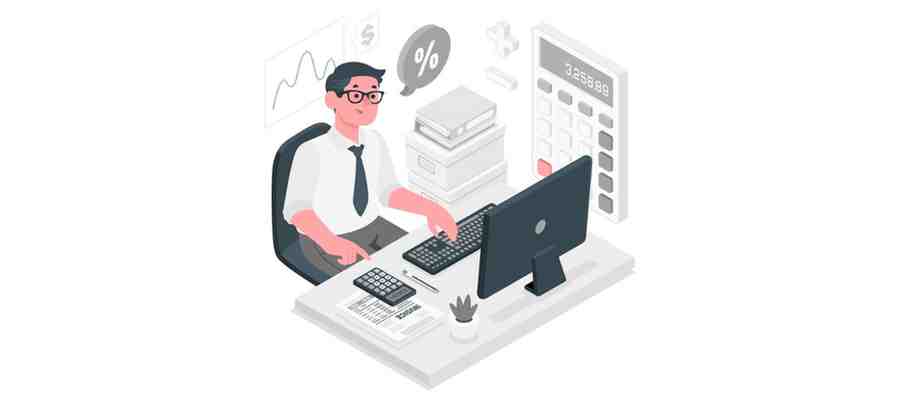
Bookkeepers process transactions, record business transactions, and reconcile accounts. They have one of the most structured and methodical job routines and workflows.
Their workloads are predictable, so there are no high-stakes urgent deadlines except during peak tax season or end-of-year periods. As such, work becomes manageable once you get used to the financial procedures in your department.
- Bookkeeper Average Salary: £27,000
- Senior Bookkeeper Average Salary: £32,000
If you want to start a career in bookkeeping or accounting, recognised qualifications like the Association of Accounting Technicians (AAT) is the perfect place to begin or advance your journey.
Data Analyst
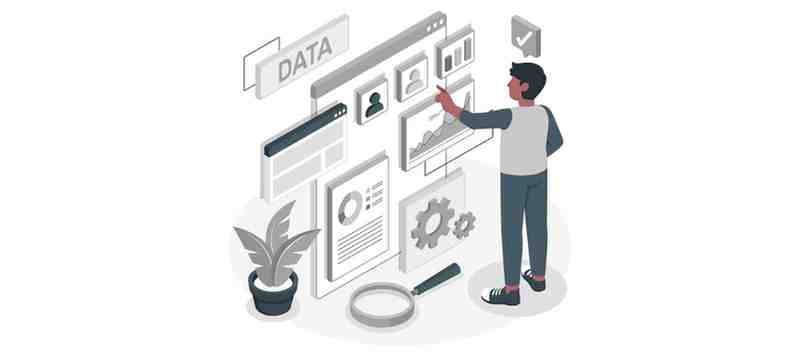
Data analysts gather, interpret, and present data to help businesses make informed decisions. They benefit from having clear KPIs and structured tasks, so there are few surprising disruptions in their workflow. Moreover, most tasks don't require physical presence at the office, so companies can arrange a flexible or hybrid setup for these professionals.
- Data Analyst Average Salary: £36,000
- Business Analyst Average Salary: £45,000
If you aspire to become a Data Analyst, e-Careers offers a Data Analysis certification to help you gain the skills and knowledge needed.
Management Accountants

Management Accountants focus on internal financial planning, budgeting, and forecasting. Compared to Financial Accountants who deal with compliance and strict deadlines, Management Accountants experience fewer peak periods. This makes their workflow relatively less stressful.
- Management Accountant Average Salary: £44,000
- Chartered Management Accountant Average Salary: £50,000
If you want to start a career in finance as a Management Accountant, the Chartered Institute of Management Accountants (CIMA) qualification equips you with essential financial and strategic skills.
Copywriter
Copywriters enjoy much flexibility, especially in freelance or contract-based setups. Unless they're in-house or working for agencies, they can choose their workload and decide how many projects to work on.
Aside from controlling the amount of their workloads, copywriters also have flexible working hours. They can structure their schedules according to their preferences or other personal commitments.
- Copywriter Average Salary: £30,000
- Senior Copywriter Average Salary: £46,000
Aspiring Copywriters can learn the trade and gain credentials through the Digital Marketing Institute (DMI) certification.
AWS Cloud Practitioner

AWS Cloud Practitioners are responsible for designing, deploying, and maintaining the company's technology infrastructure and operations on Amazon Web Services (AWS). Since the AWS Cloud Practitioner role is not highly technical, it generally has easier and lesser workloads than other cloud specialists.
Additionally, most of the Cloud Practitioner's tasks can be done remotely, opening a flexible work arrangement for them.
- AWS Cloud Practioner Average Salary: £65,000
- AWS Cloud Engineer Average Salary: £63,000
Earning the AWS Certified Cloud Practitioner is a great starting point for becoming an AWS Cloud Practitioner.
Web Developer
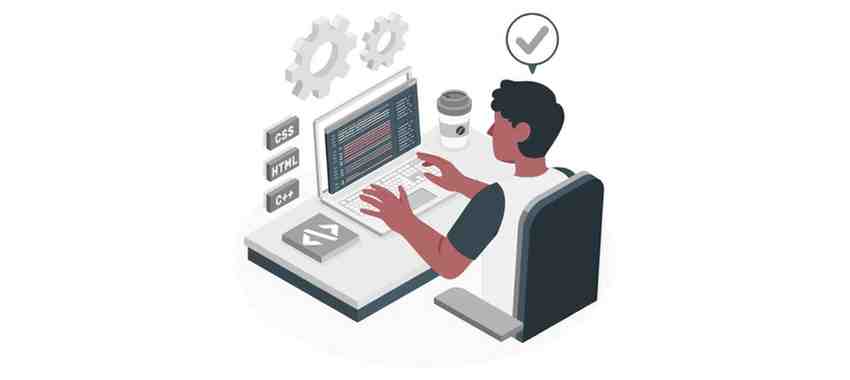
Web developers build, optimise, and maintain websites and web applications. Many developers work on a project basis, allowing flexible scheduling and the workload they want to control. Additionally, since developers can do their tasks online, they have the option to work remotely.
- Web Developer Average Salary: £35,000
- Web Development Project Manager Average Salary: £43,000
Graphic Designers
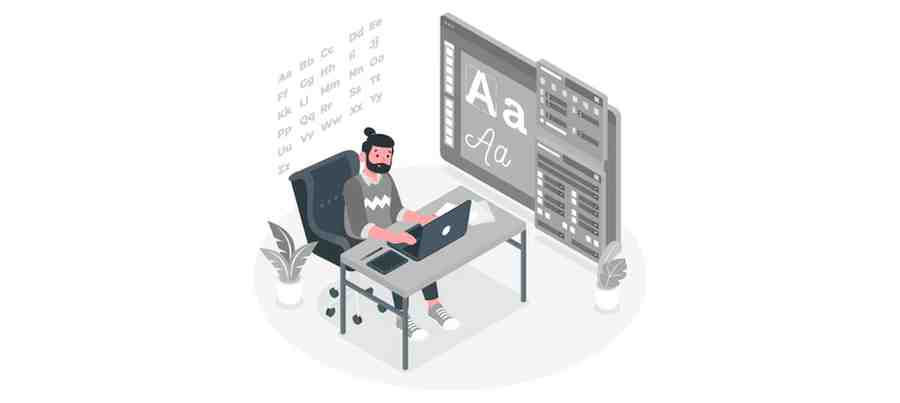
Graphic designers rely on producing and designing visuals to convey messages, promote brands, and enhance user experience. While their work needs constant creativity and fresh ideas, they often have clear deliverables and structured schedules.
Outside of agency and in-house roles, their self-paced work through freelancing allows them greater control over deadlines and client load.
- Web Developer Average Salary: £28,000
- Web Development Project Manager Average Salary: £39,000
If you want to enter the marketing industry as a graphics designer, a DMI certification can provide you with the training and credentials needed for the role.
Psychiatrist
Psychiatrists are medical doctors who diagnose, treat, and help people who are suffering from mental disorders.
Many Psychiatrists set up their own private clinics, so they have complete control over their daily workload and schedules. Their work is often session-based, which lets them control the patient load and how much they want to earn.
- Psychiatrist Average Salary: £89,000
- Consultant Psychiatrist Average Income: £106,000
Chiropractors are healthcare providers who diagnose and treat musculoskeletal disorders. Like Psychiatrists, Chiropractors can operate their own clinic, giving them complete control over their patient load, income, and schedule.
- Chiropractor Average Salary: £39,000
- Consultant Psychiatrist Average Income: £60,000
Librarian
Librarians organise and manage information resource centres like libraries, academic institutions, and archives. Since they don't have deadlines to chase, Librarians are one of the least stressful careers to have. They have a relaxed career and are suitable for those who don't want to be under constant pressure.
- Librarian Average Salary: £27,000
- Library Director Average Income: £53,000
UX/UI Designer
A UX/UI Designer creates a user-friendly experience by designing the layout and making the functionality of the websites and apps intuitive. Their work is also remote-friendly, with opportunities for project-based setups and flexible hours.
- UX/UI Designer Average Salary: £37,000
- UX Architect Average Income: £60,000
Prioritising work-life balance
Work-life balance is now more than just a workplace trend. Today, it has become a core factor in employee retention. In fact, it's now a major priority for people seeking careers.
So, let's examine why work-life balance matters, the growing demand for it, and the consequences of neglecting it.
The growing demand for great work-life balance
There's a significant shift in what employees look for in a job. A recent study found that more employees are now attracted to roles with excellent work-life balance than those with high salaries. This aligns with a survey that shows 73% of workers consider work-life balance a core factor in choosing a job.
Additionally, another survey revealed that 48% of employees say they will leave a job if it hinders them from enjoying their personal lives.
These findings show how the current job market values health and overall well-being over a high salary package.
Why work-life balance is important
A healthy balance between work and personal life positively affects your overall well-being, productivity, and career satisfaction.
When you get enough rest, your body has enough time to recover from your work hours. This keeps you healthy and avoids any serious illnesses. Additionally, your rest and sleep affect your immune system's strength. And with a strong immune system, you'll have fewer health problems and reduced health risks.
A balanced lifestyle also increases your engagement and workplace satisfaction. You also become more motivated, focused, and content with your setup. This is because, when you have personal time you can enjoy, you tend to contribute more to your role and become proactive in your team. In fact, over half of millennial fathers who've taken a survey in the UK say they want a job that lets them spend more time with their children.
From an organisational perspective, companies with great work-life cultures have better employee retention rates. They often make their workers feel valued and supported, incentivising them to stay with the company long-term. In fact, a survey reveals that companies with a healthy work-life balance experience 25% less staff turnover.
What happens if you have a poor work-life balance
Neglecting work-life balance can have serious personal and professional consequences.
You might suffer from high work-related stress if your work consumes most of your time. Prolonged exposure to these can lead to minor inconveniences like sleep disturbances, weakened immunity, and mood swings.
Over time, these minor health concerns can become more serious conditions affecting your overall well-being. Some of the long-term consequences are chronic fatigue, heart disease, and mental disorders.
Poor work-life balance also causes burnout among employees. Without proper work breaks or rest, work becomes emotionally draining, and they'll experience fatigue, frustration, and detachment. Eventually, they'll become dissatisfied at their jobs, and their personal and professional lives might deteriorate.
Factors that affect the work-life balance of a job

The work-life balance of any role is not just about the number of hours you've worked, as many factors can affect it. Some major factors that can influence your career's work-life balance are company culture, flexible arrangements, technology, workload, dependency on physical presence, and even cultural expectations.
Let's explore how each factor influences work-life balance.
Company culture
A company's work culture is one of the most important factors in shaping work-life balance. This is because the company policies that build the culture will determine how healthy your work environment will be.
For example, organisations with great work cultures respect work boundaries. They'll only make you work within the set hours and support flexible work setups.
Besides work arrangements and schedules, companies can also implement policies supporting a healthier environment. This can be in the form of employee wellness programs, mental health support, a reasonable number of paid breaks, and even reduced micromanagement.
Meanwhile, companies with poor work cultures will make you obligated to sacrifice your personal time.
In an organisation with a bad working environment, everything can make you overwork because of a stressful, unrealistic, high-stakes workload. Overtime becomes a norm, so you'll find yourself working on weekends or even after working hours.
Sometimes, bad work culture stems from poor management. The managers micromanage your work, discourage you from taking breaks, or always make your lines open.
Industry trends
Work-life balance is constantly evolving as industries adapt to the labour market shifts and global work trends.
The most important trend to keep an eye out for is the remote and hybrid work revolution. Flexible and hybrid work arrangements are game changers for work-life balance jobs. Through a flexible work setup, you can adjust and change your own hours or location where it best fits you.
Both setups allow you to work outside of the office, but hybrid setups require occasional physical attendance in the office. The more freedom you have over your work setups, the more balanced your work and personal life is.
Remote work and virtual working environments also give rise to virtual careers like virtual assistants, remote marketing professionals, and virtual instructors. Emerging trends like AI, machine learning, and blockchain will also create new careers, such as Data engineers, AI specialists, and blockchain developers.
Technology and tools
The right tools can allow you to spend less time on your tasks and more on your personal life.
Work-life balance can also depend on what technology your workplace has. If you have the tools to automate tasks, you can drastically reduce manual processes and become efficient at work.
But that's not all. Technology also affects where employees work. Companies with cloud-based systems, remote-access tools, and virtual meeting platforms let you work from home or hybrid setups. None of the flexible or remote setups are possible without the right collaboration tools your company has at its disposal.
Workload
Workload is another important and obvious factor in determining a healthy work lifestyle. Basically, the more work you have on your plate, the less time you'll have on your personal time.
But it's not just the amount of workload that affects your quality of work life. You'll also encounter unrealistic expectations, tight deadlines, or high-stakes commitments at work. All of these can consume a large chunk of your time that would otherwise be spent on your personal life.
Dependency on physical presence
Some of the jobs require your in-person attendance more than other jobs. Some of the best jobs for work-life balance don't. And the more dependent a job is on on-site attendance, the less opportunity there is for remote or hybrid work.
For instance, a healthcare, law enforcement, transportation, and agriculture career will always demand your physical presence. Because of the hands-on nature of the work, showing up on-site is non-negotiable and will not allow any remote setups.
Cultural expectations
Workplace norms vary across countries. In some countries like Japan, employees who work longer hours are seen as dedicated and hardworking individuals. Other countries, like the Scandinavian countries, have shorter working hours and are more open to arranging flexible work setups for their employees.
The workplace norms can also vary across industries. High-pressure industries like finance and law have peak periods, so you're often expected to stay late or work overtime. Meanwhile, IT, Marketing, and HR industries offer more flexibility in work setups because of the nature of work.
How to transition into a career with a great work-life balance
Who doesn't want to shift to a job with a great work-life balance? But before you can make that switch, shifting careers requires planning and deep preparation. Changing careers is a big decision, after all.
So, if you're looking to change jobs with good work-life balance, here are the steps to transition into your new career.
Assess your priorities and talents
Your new career should align with your goals and priorities. Before you make the career move, take your time to ask what matters most to you in your career. Some of the things that you can prioritise are:
- Flexibility
- Workload
- Job security
- Career growth
- Personal satisfaction
- Skills development
- Salary compensation
Additionally, your next career should also align with your current strengths. Consider consulting a career coach to help you break down your skills and competencies. You can also get in touch with our advisors to gain insights on careers that align with your strengths.
Look for a career that has flexible arrangements
As mentioned, some jobs will accommodate flexible working setups better than others. A flexible work environment drastically improves your work-life balance, so always look for jobs that offer them.
Some of the industries that will most likely offer these work arrangements are:
- IT
- Cybersecurity
- Marketing
- Creative
- e-Commerce
- Cloud Computing
- Real estate
- Data Analysis
- HR
Upskill with certifications and courses
If your current skill set doesn't align with your chosen career or if you need to reinforce and update your technical knowledge and skills, consider investing in certifications and training. Many flexible roles require specific skills you can easily acquire through certifications and courses.
For professional qualifications, you can trust e-Careers to provide training courses to help you advance to your chosen career. We offer comprehensive courses, learning resources, and personalised support at every step of your career journey.
Optimise your job search
With a career goal in mind and skills related to the role, it's time to optimise your job search. Some of the things you can do to enhance your job-searching efforts are as follows:
- Using ATS-friendly resume
- Optimising your LinkedIn profile
- Crafting a customised cover letter
- Using job boards like FlexJobs, Indeed, or LinkedIn
- Networking with professionals and recruiters in the industry
Transitioning to a flexible career path: A real-world success story
Shifting to a career with a healthy work-life balance isn't always easy. However, with the right strategy and persistence, finding a rewarding, flexible role is possible. One example of this is Carolyn W.
Carolyn was working in cybersecurity when a sudden organisational change forced her to explore other career options. She doubled down on finding a remote opportunity when relocating to Yuma, Arizona, which proved challenging in getting local work.
She began by researching industries that aligned with remote work opportunities. Instead of randomly applying, Carolyn refined her job search to focus on remote roles. Additionally, she regularly checked for new job posts and saved promising listings. By staying consistent, her persistence paid off when she secured a senior cybersecurity engineer role with a remote setup.
Her shift allowed her to advance her career while still having time for her personal life and well-being. She also found herself feeling happier, more satisfied with her work, and enjoying a greater sense of well-being,
Conclusion

A career with a strong work-life balance lets you live a fulfilling life and have the means to do it. To see if your job offers an excellent quality of work life, check if your own schedule and workload still allow you to pursue interests outside work. If you're unable to take time for yourself, perhaps it may be the time to consider changing careers.
Changing to high-paying jobs is a big career decision. And upskilling helps you gain the expertise needed to make the career change successful. So, if you want to start a rewarding remote career, e-Careers can provide the training and support you need to make your transition smooth. As one of the largest UK training providers, our courses are designed to give you the skills and expertise necessary to advance in your chosen career.
For more information about our professional training courses, call us at +44(0) 20 3198 7700 or email us at [email protected] to speak with our career advisors.